


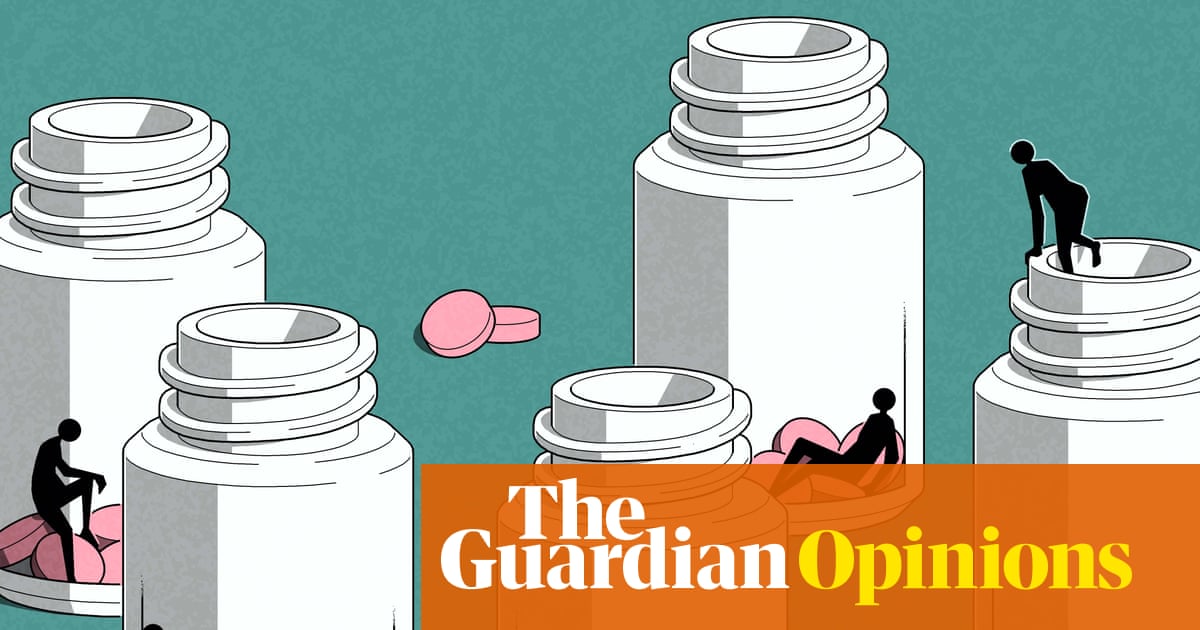
The experience of a severe panic attack involves intense physical symptoms, including a racing heart, shortness of breath, dizziness, and a feeling of sheer terror. For many individuals struggling with severe anxiety, medications such as propranolol are prescribed to help manage these acute physical reactions. Originally developed as a cardiac drug to lower heart rates, propranolol has increasingly been used off-label for anxiety because it can soothe shaking, sweating, and rapid pulses.
In recent years, prescriptions for teenage girls in England have risen dramatically, increasing by roughly 90% over a decade. The drug has gained widespread popularity on social media platforms like TikTok, where it is sometimes discussed as a quick-fix panic pill and referenced alongside pop culture memes. This viral attention has emerged despite limited scientific evidence supporting its overall efficacy for general anxiety, prompting pharmacy bodies to raise safety concerns regarding overdose risks and leading the UK medicines regulator, the MHRA, to initiate a review of its benefits and risks.
For those dealing with debilitating panic episodes, having a medication that can rapidly calm physical symptoms offers significant psychological comfort and helps maintain daily routines. Yet, beta blockers serve primarily as a temporary measure. While they can slow a racing heart, they leave underlying thought patterns and long-term anxiety disorders unaddressed. Patients are often drawn to medications because they appear easier and faster than intensive psychotherapy, which can carry its own hurdles and side effects.
The growing reliance on quick pharmaceutical solutions also reflects broader systemic issues within healthcare, particularly prolonged waiting lists for mental health services. Many young people face immense barriers when trying to access sustained psychological support, leaving health systems to lean heavily on prescriptions. Observers note that while medications have a role in managing immediate distress, they are often insufficient on their own to achieve long-term recovery.
Overcoming severe anxiety disorders typically requires a comprehensive approach combining appropriate medication, such as selective serotonin reuptake inhibitors, with evidence-based talking therapies. Specialized treatments like eye movement desensitisation and reprocessing have also proven transformative for many patients by helping the brain reprocess traumatic memories. Ultimately, while beta blockers can offer temporary relief during moments of acute crisis, experts emphasize that there are no instant cures or shortcuts for complex mental health conditions.