


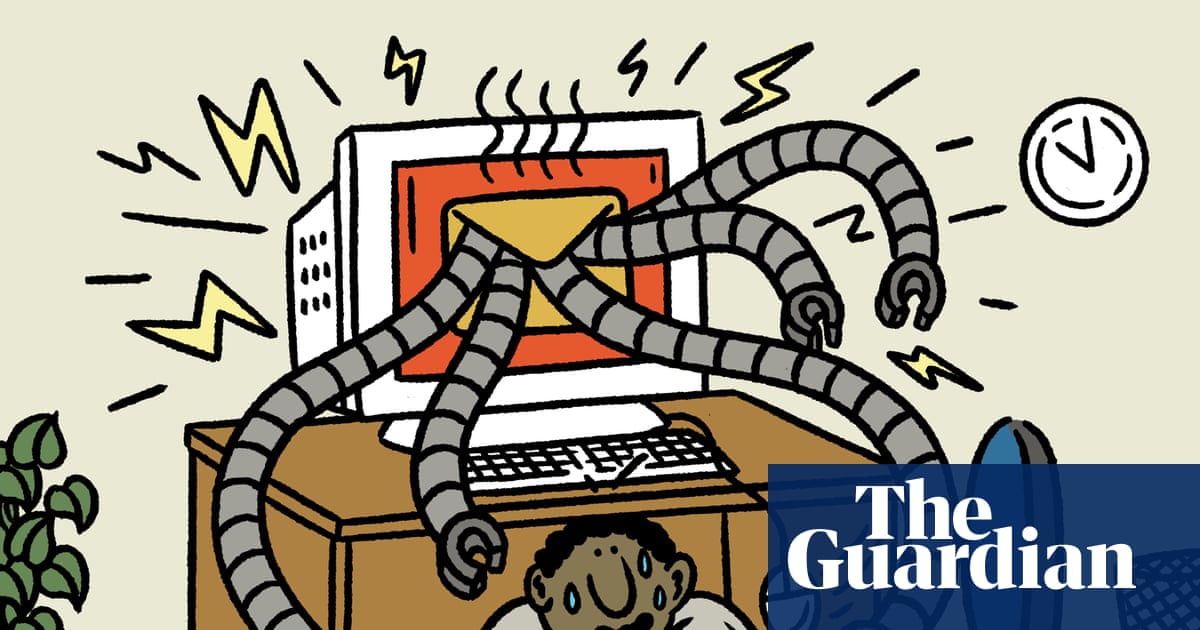
UK public bodies, local authorities, schools, and legal offices are grappling with a massive wave of artificial intelligence-generated correspondence, ranging from grievances and planning objections to complex legal challenges. What began as a minor trend has turned into a daily onslaught, significantly increasing workloads for organizations already operating with stretched resources.
Generative AI tools such as ChatGPT, Claude, and Gemini have lowered the barrier for everyday citizens to draft formal letters, administrative requests, and legal arguments. While developers originally marketed these technologies as tools to boost workplace productivity through automation, they are now being heavily utilized by the public to generate detailed correspondence.
Researchers and commentators have dubbed this growing issue "AI clog" or "agentic flooding." Organizations report that messages created in seconds by chatbots take human employees hours to review, parse, and address. Representatives for local government lawyers note that while AI helps complaints sound exceptionally formal and professional, the sheer volume and expanded scope are overwhelming municipal offices funded by fixed budgets.
Local authorities report that pre-AI complaints typically spanned about two pages, whereas many current submissions reach up to 20 pages or more, with extreme cases stretching to 200 pages. Officials point out that these AI-crafted messages often feature characteristic bullet points, repetitive phrasing, and generic legal terminology. Furthermore, chatbots frequently pull in irrelevant case law from different global jurisdictions or suffer from hallucinations, creating inaccuracies that human caseworkers must nevertheless address.
The Information Commissioner’s Office has observed that public authorities faced a surge in requests featuring long, repetitive, and misdirected demands that obscure the actual core of the inquiry. The trend is similarly impacting employers and the legal system. Business owners defending against employment tribunal claims report facing aggressive, AI-assisted challenges from former workers, driving up legal defense costs amidst existing tribunal backlogs.
Government data indicates that single-claimant employment tribunal filings jumped significantly over recent quarters, compounding delays. As generative AI continues to provide everyday users with what amounts to a free, round-the-clock legal assistant, public and private sector organizations alike are left searching for ways to manage the administrative bottleneck.