


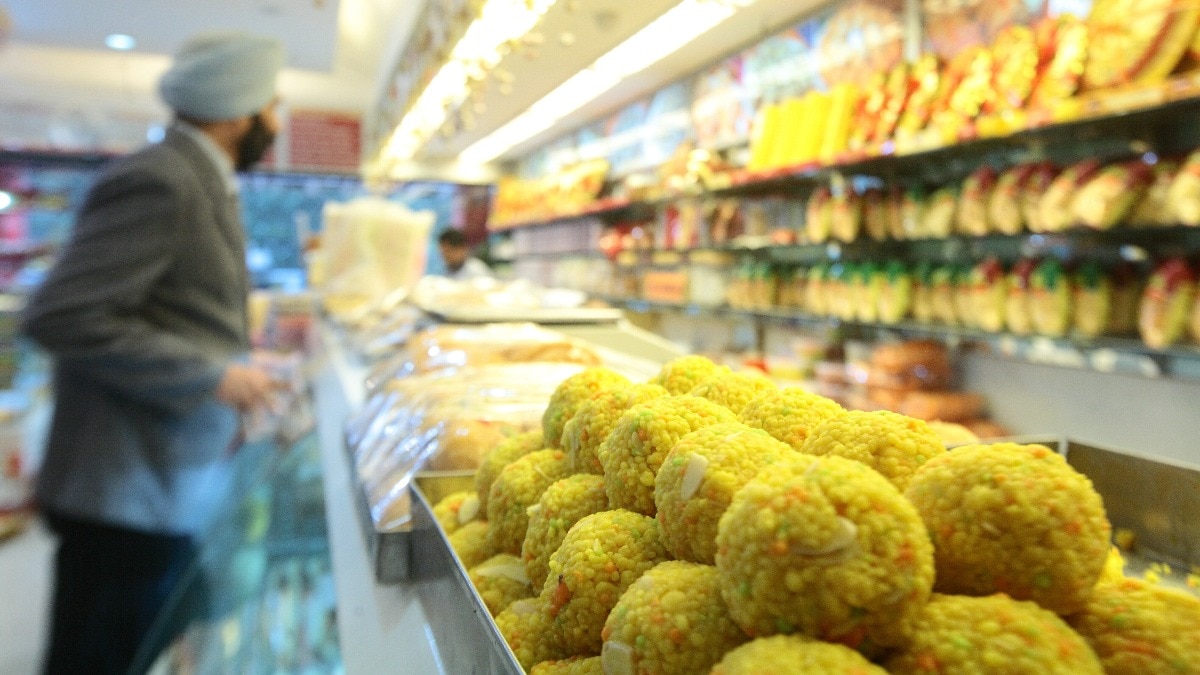
Diwali is a time for celebrations, family gatherings, social outings and, of course, food. From homemade sweets and fried snacks to elaborate family dinners, festive eating is an important part of the celebrations.
However, for people who have been working towards weight loss or maintaining a healthy lifestyle, the festival can also bring anxiety about gaining weight.After months of following a diet, exercising regularly and making mindful food choices, many people worry that a few days of indulgence could undo all their hard work. Some even skip meals the following day, increase their workout intensity or return to restrictive eating to compensate for the extra calories.But is this really necessary?According to lifestyle coach and author of Fearless Diet, Mitushi Ajmera, a few days of festive eating cannot undo months of consistent efforts.
The bigger concern is not enjoying festive food but developing an unhealthy cycle of overeating, guilt and restriction. The key, she explains, is to maintain a balanced relationship with food and understand that a healthy lifestyle should leave room for celebrations.A FEW DAYS OF INDULGENCE WILL NOT ERASE YOUR PROGRESSWeight management is influenced by eating patterns and lifestyle habits over time, not by one festive meal or a few days of celebrations.
If someone has consistently followed healthy habits for months, enjoying sweets, snacks and festive meals for a few days does not mean all their progress is lost.Ajmera believes people should focus on sustainable nutrition rather than treating food as a reward or something they need to compensate for later.A flexible approach to eating allows people to enjoy special occasions without feeling guilty. The important thing is to return to their usual routine instead of allowing a few indulgent meals to turn into weeks of unhealthy habits.DO NOT SKIP MEALS TO COMPENSATE FOR FESTIVE EATINGOne common mistake people make during festivals is skipping breakfast or lunch because they know they have a big dinner planned.Similarly, after eating a heavy meal at night, some people avoid food the following morning to balance their calorie intake.However, this approach can backfire.
Staying hungry for long periods may increase cravings and make people more likely to overeat at the next meal.Instead, Ajmera recommends maintaining regular eating patterns. Include protein-rich foods, vegetables, whole grains, dals and healthy snacks throughout the day.There is also no need to abandon everyday Indian meals such as roti, dal and vegetables during the festive season.
These foods can help maintain a balanced diet while leaving room for occasional treats.ENJOY YOUR FAVOURITE FESTIVE FOODS WITHOUT GUILTFestivals are also about enjoying traditional foods with family and friends. Avoiding every sweet or fried snack can make celebrations stressful, especially when food is an important part of family gatherings.Ajmera suggests enjoying favourite foods without treating them as forbidden.
If vegetables or salads are available, include them alongside festive dishes to add fibre and balance to the meal.Being mindful of portions can also help. However, this does not mean constantly calculating calories or feeling guilty after eating something you enjoy.The idea is to develop a healthy relationship with food where occasional indulgences are normal rather than something that needs to be punished.SLEEP, HYDRATION AND EXERCISE MATTER TOOFestive celebrations often come with late nights, social gatherings and changes in daily routines.
This can affect sleep, energy levels and hunger patterns.Ajmera highlights the importance of adequate rest and recovery. Poor sleep can affect hunger hormones, increase cravings and influence food choices.
Getting enough sleep can therefore support better eating habits.Hydration is equally important. Drinking enough water throughout the day supports normal digestion and helps the body function properly.
It can also help people recognise the difference between thirst and hunger.Physical activity should remain consistent during the festive season. Walking, regular workouts and everyday movement are enough to maintain an active routine.However, exercising harder or for longer just to burn off festive calories is unnecessary.
Exercise should be about overall health and well-being, not punishment for eating.WHY THE WEIGHING SCALE MAY SHOW AN INCREASE AFTER DIWALISeeing an increase of one or two kilograms after a festive dinner can be alarming, particularly for people who regularly track their weight. However, this change does not necessarily mean they have gained the same amount of body fat.Several factors can influence short-term weight fluctuations, including water retention, higher salt intake, increased carbohydrate consumption, and food still being digested.Carbohydrates are stored in the body as glycogen, which is stored along with water.
Festive meals may also contain more sodium than everyday meals, contributing to temporary water retention.Therefore, the number on the weighing scale the morning after a celebration may not accurately reflect changes in body fat.Instead of weighing themselves repeatedly or immediately returning to restrictive diets, people should allow their bodies to settle back into their routine.Ultimately, Diwali is meant to be enjoyed, not spent worrying about every calorie. Eating favourite foods, staying active, drinking enough water and getting adequate sleep can help people maintain a balanced approach.As Ajmera emphasises, long-term consistency matters more than perfection.
A couple of festive meals will not define your health journey, but the habits you follow throughout the year will.- Ends