


With air pollution levels rising across several parts of the country, people who regularly go for morning walks, jogs or runs may need to rethink their fitness routines. While exercising outdoors is generally considered beneficial for physical and mental health, stepping outside when the Air Quality Index (AQI) is poor can expose the body to harmful pollutants.One of the biggest concerns during periods of high pollution is the presence of fine particulate matter, particularly PM2.5.
These tiny particles can travel deep into the lungs and may even enter the bloodstream. The risk becomes higher during physical activity because breathing becomes faster and deeper, increasing the amount of polluted air inhaled.According to Dr Sanjay Verma, Additional Director, Internal Medicine, Fortis Escorts Heart Institute, Okhla, outdoor aerobic exercise should be avoided on days when pollution levels are elevated, particularly when PM2.5 concentrations are high.Physical exertion in polluted environments can trigger airway inflammation and oxidative stress.
It can also worsen existing respiratory and cardiovascular conditions. However, taking a break from outdoor running does not mean putting your fitness goals on hold.
Several indoor exercises can help maintain cardiovascular fitness, muscular endurance and overall metabolic health while reducing exposure to outdoor pollution.Here are seven indoor alternatives to consider.1. TREADMILL WALKING Treadmill walking is one of the easiest alternatives to outdoor walking or running.
It allows you to maintain your daily movement routine without directly exposing yourself to outdoor pollution. You can adjust the speed and incline according to your fitness level.
Start with a comfortable pace and gradually increase the intensity.2. BRISK INDOOR WALKINGYou do not necessarily need gym equipment to stay active.
Walking briskly inside your home, along a corridor or in a large indoor space can help improve circulation and maintain daily activity levels. Try walking continuously for 20 to 30 minutes, depending on your fitness level.3.
STAIR CLIMBINGClimbing stairs is an effective way to work your lower body while improving cardiovascular endurance. It engages the muscles in your legs and increases your heart rate.
However, beginners should start slowly and avoid pushing themselves too hard.4. SWIMMINGSwimming is another indoor fitness option, provided the pool is located in a well-maintained indoor facility.
It works several muscle groups and supports cardiovascular fitness. People with respiratory conditions should consult their doctor before choosing swimming as an exercise during pollution episodes.5.
SKIPPINGSkipping is a simple exercise that can help improve stamina, coordination and cardiovascular fitness. Even short sessions can increase your heart rate.
Beginners can start with a few rounds of 30 seconds, followed by rest periods, and gradually increase the duration.6. HIGH-INTENSITY INTERVAL TRAININGHigh-intensity interval training, commonly known as HIIT, involves alternating short bursts of intense exercise with periods of recovery.
Exercises such as squats, lunges and jumping jacks can be included in an indoor routine. However, HIIT is not suitable for everyone.
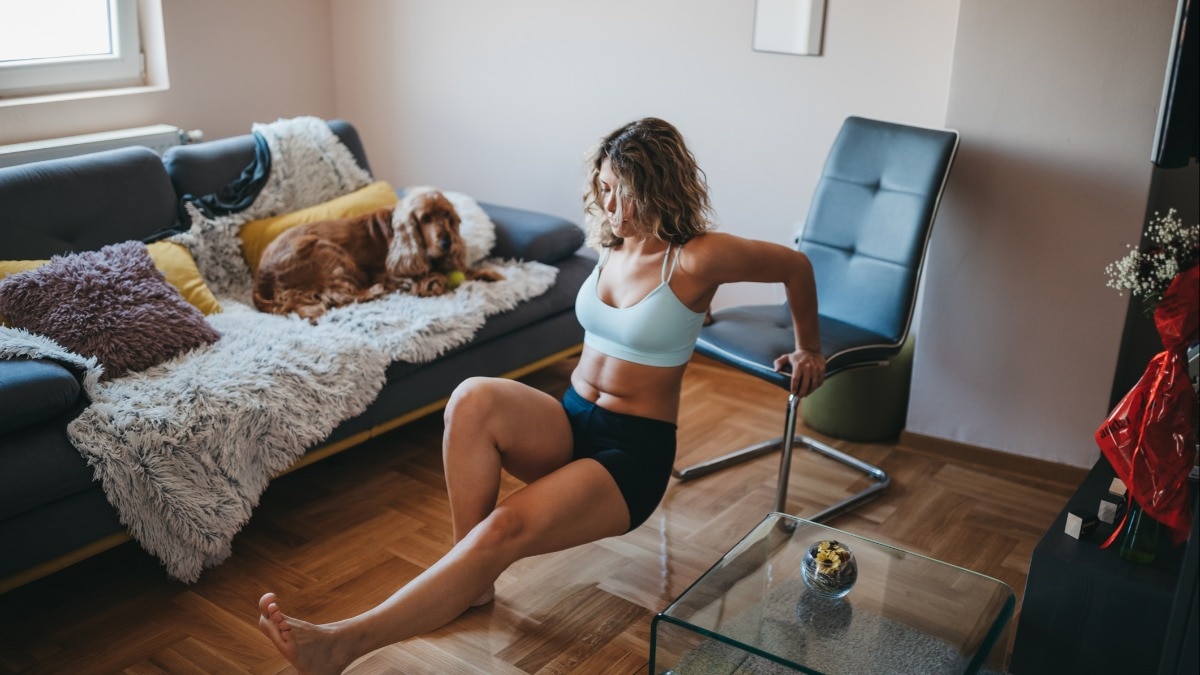
People should choose this form of exercise only if they are medically fit for strenuous activity.7. BODYWEIGHT EXERCISESSimple bodyweight exercises such as squats, wall push-ups, lunges and planks can help maintain muscular strength and endurance.
These exercises require little or no equipment and can be performed at home. You can create a 20-minute routine based on your fitness level without putting excessive strain on your body.INDOOR EXERCISE ALSO REQUIRES CAUTIONMoving your workout indoors does not eliminate exposure to air pollution.
Fine particulate matter can enter enclosed spaces through doors, windows and ventilation systems.Dr Verma recommends exercising in well-ventilated spaces with good air filtration wherever possible. Indoor air quality should be checked, particularly during severe pollution episodes.People with asthma, chronic obstructive pulmonary disease (COPD), ischaemic heart disease or other heart and lung conditions should be especially careful.
They should avoid strenuous physical activity during periods of severe pollution and consult their doctors about suitable exercise intensity.The key is to remain physically active without compromising respiratory and cardiovascular health. On days when outdoor air quality is poor, changing your workout routine is a safer choice than pushing yourself to complete your daily run.- Ends