


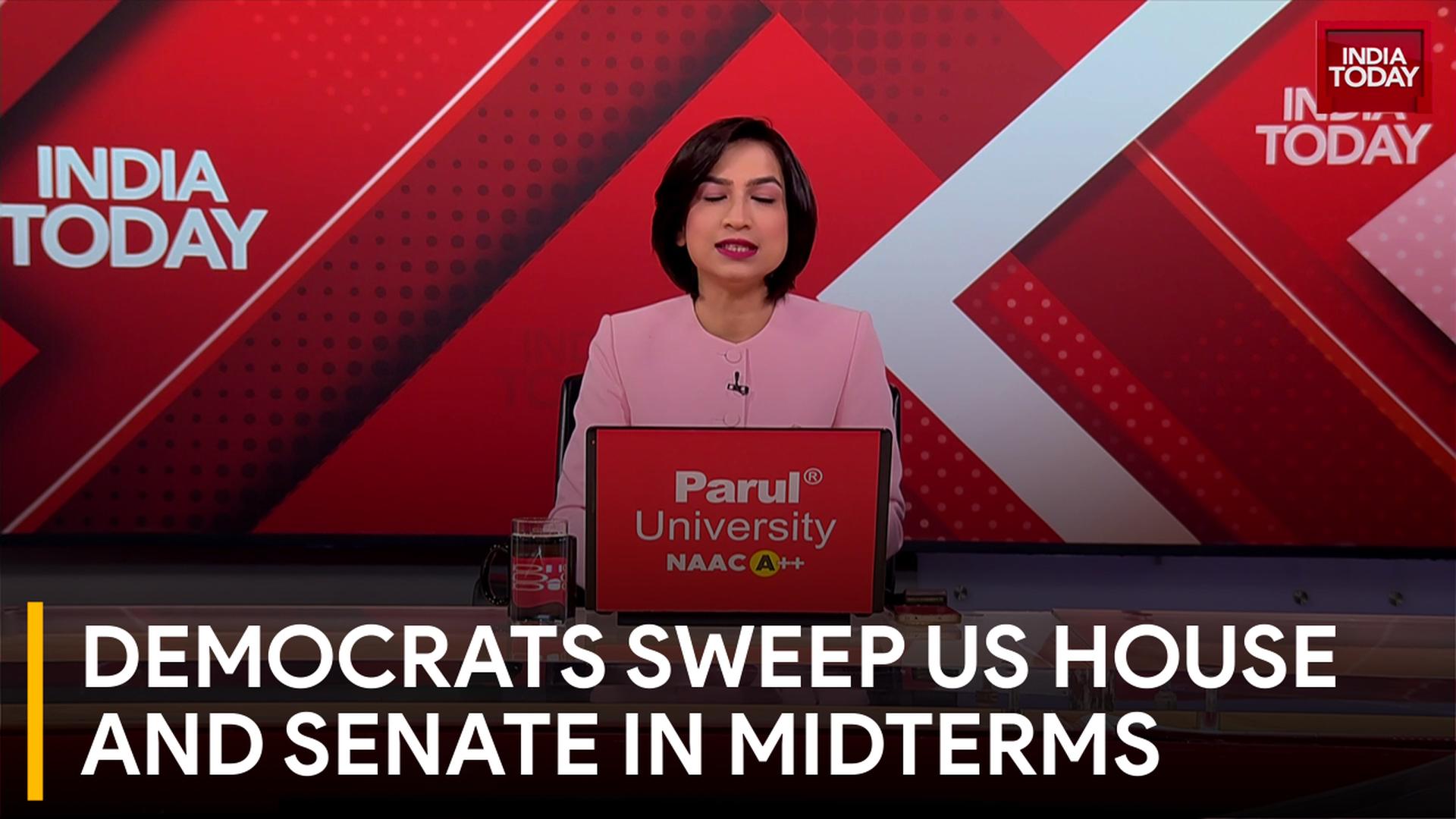
US Midterms: Indian American Vote, Immigration Concerns and Crucial Senate FlipsA panel of analysts discusses key voting trends and election developments across the United States. Observers highlight that while kitchen-table issues like inflation and the cost of living remained paramount for Indian American voters and the wider electorate, immigration and H-1B visa policies also significantly influenced diaspora choices.
Exit polls revealed that the economy and the state of American democracy emerged as the foremost concerns for voters nationwide. The discussion touches upon shifting public sentiment on immigration enforcement, noting pushback against controversial deportation practices.
Meanwhile, breaking election results indicate major setbacks for Republicans, with Democrats flipping key Senate seats including South Carolina following the defeat of Trump-endorsed candidate Darline Graham, alongside gains in North Carolina and tight contests in Texas. Analysts describe the results as an apparent anti-Republican wave and a broader public backlash against current administration policies.Democrats Set to Retake US House as Economy and Indian Diaspora Shape MidtermsDemocratic candidates appeared set to secure a majority in the US House of Representatives as early projections arrived during the midterm elections.
Key victories and leads were reported for Indian American contenders, including the re-election of Suhas Subramanyam and Pia Dandia winning a House seat in Florida. Discussions focused on the impact of economic pressures, with rising fuel prices, mortgage rates, and living expenses identified as critical drivers behind Republican vulnerabilities.
Panellists assessed the potential loss of congressional majorities for President Donald Trump, noting that a divided legislature could restrict executive power and force legislative compromises, especially over federal funding allocations. The broadcast also examined the growing influence of the Indian diaspora across both major American political parties, observing steady increases in campaign participation, fundraising, and candidacies across federal and state levels, including Vivek Ramaswamy's gubernatorial contest in Ohio.US Midterms: Democrats Surge In Congress, War In Iran And Trump Cabinet Face HeatA panel discussion analyses the political fallout of the US midterm elections as projections show significant gains for the Democratic Party in the House of Representatives and the Senate.
Sanjeev Joshipura of Indiaspora notes that while a Democratic-led Congress will likely stymie domestic policy initiatives, the presidency historically retains extensive authority over foreign policy. He also points out the electoral performance of Indian-American candidates in Florida, Arizona, and California.
Daniel Block, senior editor at Foreign Affairs, highlights that a Democratic-controlled legislature could initiate investigations and impeachment proceedings against Trump administration officials, including Pete Hegseth, concerning the conduct of the war in Iran. The discussion further examines congressional power over foreign military funding, Donald Trump's stated posture regarding veto power and funding cuts to Israel, and the strategic dilemmas facing the White House amid a divided government.US Midterm Results: Democrats Surge In House, Eye Senate As Trump Faces WaveEarly results from the United States midterm elections indicate significant gains for the Democratic Party, pointing to an apparent wave against the policies of the administration.
Projections show Democrats crossing the 100-seat mark in the House of Representatives, establishing a lead of nearly 50 seats over Republicans and flipping four key states. Discussions highlight that the outcome could compel President Donald Trump to govern alongside a Democratic-led Congress for the first time, altering legislative strategy from January 2027.
While GOP campaign efforts focused on battleground states such as Texas, North Carolina, and Pennsylvania, early reporting shows Democratic momentum extending into contested Senate races. Officials and observers also note that potential shifts in legislative control could redirect presidential focus toward executive actions, veto powers, foreign policy, and early positioning among prospective candidates ahead of the 2028 presidential campaign.