


As brands find new ways to add the nutrient to everyday foods, it is becoming increasingly difficult to tell whether a product is genuinely useful or simply cashing in on the protein craze.Nutritionist and health coach Ryan Fernando has a simple message for consumers: don't fall for the protein halo effect. Just because a product has protein written on its packaging doesn't automatically make it a healthy choice.In a recent Instagram video, Fernando pointed out that packaged protein snacks can be convenient, particularly when travelling or when you need something on the go.
But before picking up a protein bar or any other item that comes with ‘so-called’ protein, he recommends checking four things.1. Check the protein sourceThe first thing to look at is where the protein comes from.
Fernando recommends checking the ingredients list for sources such as whey, milk, eggs and soya. For plant-based products, he advises consumers to look at the protein blend and where those ingredients appear on the list.
If ingredients such as palm oil, refined flour (maida) or starch feature prominently, it is worth taking a closer look at the product's nutritional composition rather than relying on its protein claims alone.The amount of protein per serving matters, too. A product's name or packaging may highlight protein, but the nutrition label will tell you how much you are actually getting.2.
Watch out for hidden sugars A product may advertise itself as a protein snack, but that doesn't mean it is low in sugar.Fernando advises consumers to read the ingredients list carefully and look out for ingredients such as liquid glucose, corn syrup and fructose syrup. He also flags maltodextrin, a rapidly digestible carbohydrate that can raise blood glucose levels.The lesson is to look beyond the claims on the front of the pack.
Check the nutrition panel for total and added sugars, where declared, and remember that a product can contain substantial amounts of sugar or other carbohydrates even when protein features prominently in its marketing.3. Compare calories with proteinFernando also recommends checking the calorie-to-protein ratio before buying a bar.In his video, he suggests looking for products in the range of 150–180 calories that provide a meaningful amount of protein, let’s say 10-12 gm.
A bar with around 300 calories but relatively little protein may not be the most suitable choice for someone specifically looking to increase their protein intake.However, there is no single calorie-to-protein ratio that works for everyone. The right choice depends on individual nutritional needs, portion size and how the snack fits into the rest of the day's diet.4.
Know the difference between protein bars and energy barsProtein bars and energy bars are not necessarily the same thing. While protein bars are generally designed to provide protein, energy bars may focus more on carbohydrates to supply energy.Fernando urges consumers not to grab a bar simply because they are hungry and assume it will meet their protein needs.
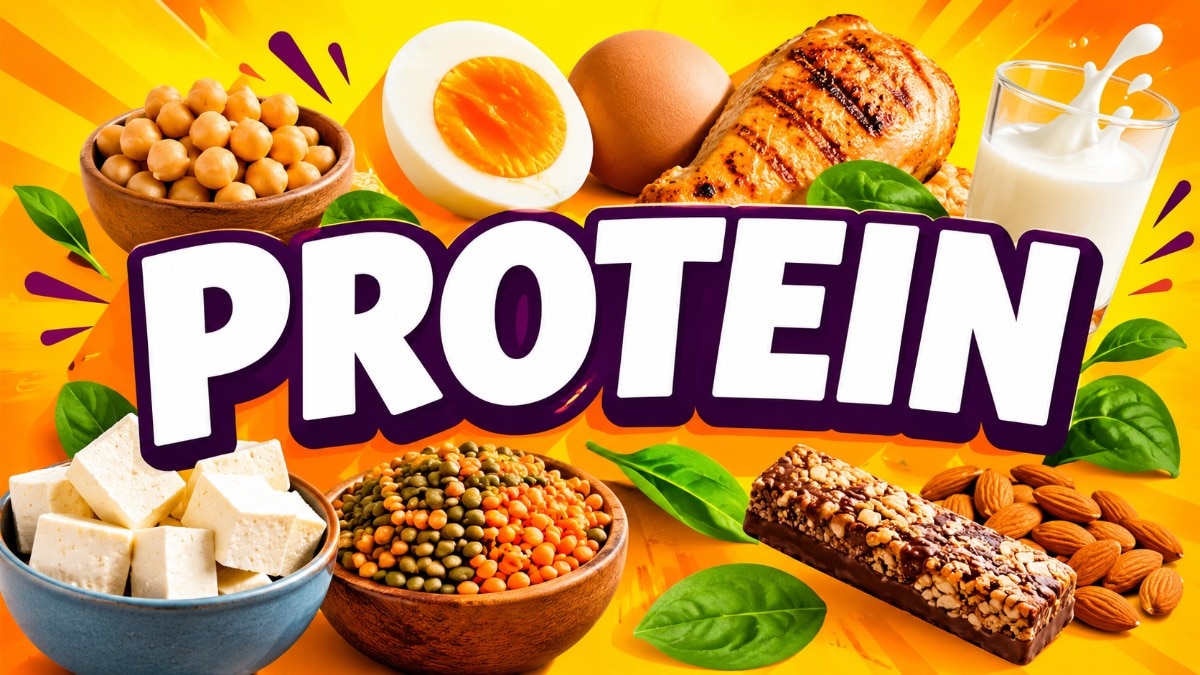
Check the nutrition information to understand what the product actually provides.Whole foods still matterFernando's broader point is that packaged protein products should not overshadow everyday food sources. Eggs, chicken, paneer and tofu can all contribute to protein intake, alongside other options such as fish, dairy, pulses and beans.Protein bars and other fortified snacks can be useful when convenience matters, but they are not essential for everyone.
A person's protein requirements depend on factors such as age, activity levels and overall health.The next time you see a protein claim on a packet, turn it around and read the label. The protein source, quantity, sugar content and calorie count can tell you much more than the promise on the front.- Ends