


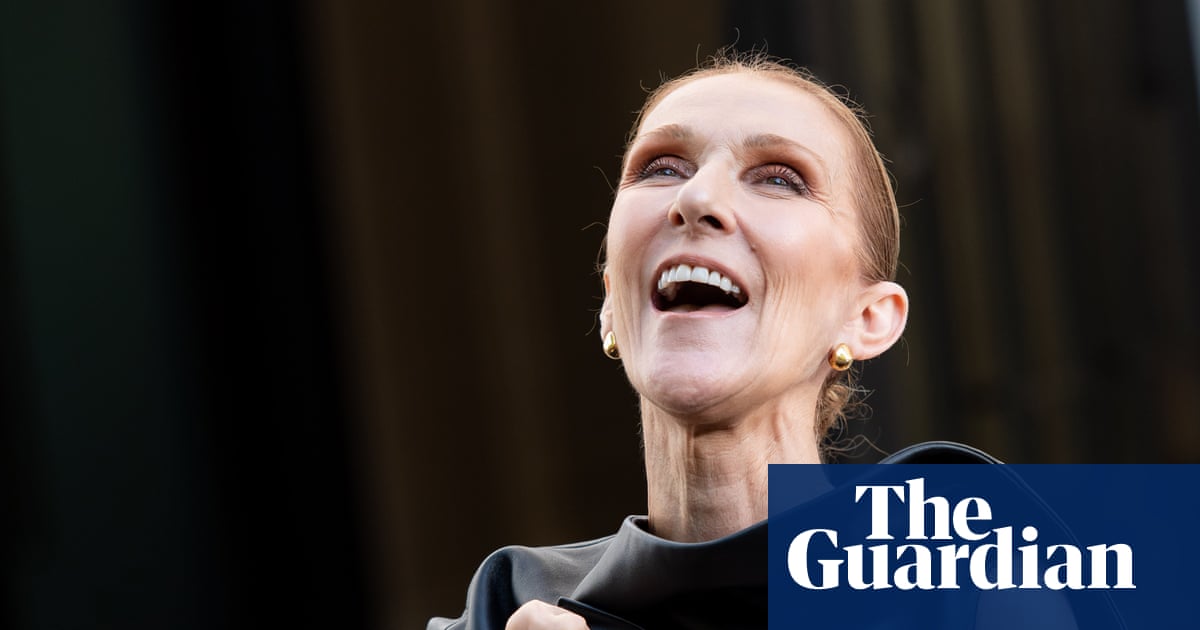
Doctors have made a potentially significant breakthrough in the hunt for a treatment for stiff person syndrome, the autoimmune condition which affects the singer Céline Dion.Stiff person syndrome (SPS) is a rare disease that attacks the central nervous system and can cause devastating rigidity throughout the body and painful muscle spasms. Despite decades of research, there is no cure.Now a team of neurologists in the US trialling a novel form of immunotherapy have reported “exciting” and “very encouraging” results: the treatment has prompted dramatic improvements in people living with SPS.Patients who previously needed help with basic daily tasks and struggled to walk have regained their ability to take part in everyday life, with some even returning to work and resuming hobbies, according to doctors at the Mayo Clinic.The novel treatment, CAR-T cell therapy, is already used to treat cancer, and reprogrammes a patient’s immune cells to help fight disease.
During the study, SPS patients’ own T cells, a type of immune cell, were extracted and engineered to wipe out disease-causing cells.Shari St Germain, a patient with stiff person syndrome, pictured standing by a glacier, said every day feels ‘better and better’ since starting treatment. Photograph: Family handout/PANeurologists said the results, published in medical journal Jama Neurology, were particularly exciting because patients had been able to return to activities they feared they would never be able to return to.Dr Anastasia Zekeridou, a neurologist and researcher at Mayo Clinic in Rochester, said: “What was most striking was the degree of improvement we saw in some patients.“With existing treatments, we may be able to improve symptoms, but we very rarely see patients return to their previous level of function.
These early results are very encouraging, and the key question now is whether those improvements will be sustained over time.”Jonathan Walden, one of the patients in the trial, had reached the point where walking and basic daily tasks required help from his family. But after CAR-T, he has returned to work.“I can go to work every single day.
I can do everything I did before. I go hunting; I can go fishing,” he said. “I have not had one episode since receiving treatment.”Shari St Germain, another patient, had been suffering severe leg cramps and difficulty walking, and later even muscle rigidity and falls.
But following CAR-T, she experienced major improvements. Every day feels “better and better”, she said.“After the treatment, I got up one day and I’m like ‘I’m feeling really good’, and I went to walk on the treadmill,” she said. “My husband comes running in because I’m crying and he’s like ‘Are you OK?’ And I’m like ‘I just walked for seven minutes on the treadmill’.”Dr Sean Pittock, chair of the department of neurology at Mayo Clinic, said: “CAR-T therapy has already transformed the treatment of some cancers, and we are now beginning to see its potential in autoimmune neurologic diseases.“The results in stiff person syndrome offer tremendous hope, not only for people living with this disease but potentially for patients with other immune-mediated neurologic conditions where effective treatment options remain limited.“There is still much we need to learn, but this opens an exciting new avenue for the field.”Dion announced she had been diagnosed with SPS in December 2022.
In an Instagram video, she told fans the condition had affected “every aspect of my daily life”, including harming her voice.Yasmin Sheikh, head of policy and public affairs at Anthony Nolan, a blood cancer charity not involved with the trial, said: “This research is an exciting development, providing more evidence that CAR-T cell therapies could have applications beyond blood cancer and offer new hope to people living with other conditions, including SPS.”