


The festive season is often associated with family gatherings, elaborate meals, sweets and celebrations that continue late into the night. From plates full of traditional delicacies to fried savouries and boxes of mithai shared among friends and relatives, food becomes an important part of the celebrations.
While enjoying these meals occasionally may not be a concern for everyone, the combination of heavy eating, excessive alcohol consumption, disturbed sleep and irregular medication can create problems for people who already have heart conditions.During festivals, people often change their regular eating and sleeping routines. Long hours spent cooking, travelling, attending social gatherings and entertaining guests can also make it difficult to maintain healthy habits.
Many people ignore symptoms such as chest discomfort or breathlessness, assuming they are caused by acidity, tiredness or overeating. However, dismissing these signs can delay medical attention when it is needed.A festive meal or a few extra sweets does not automatically cause a heart attack.
However, people with underlying coronary artery disease, diabetes, hypertension or heart failure need to be more careful about what they eat and drink. According to Dr.
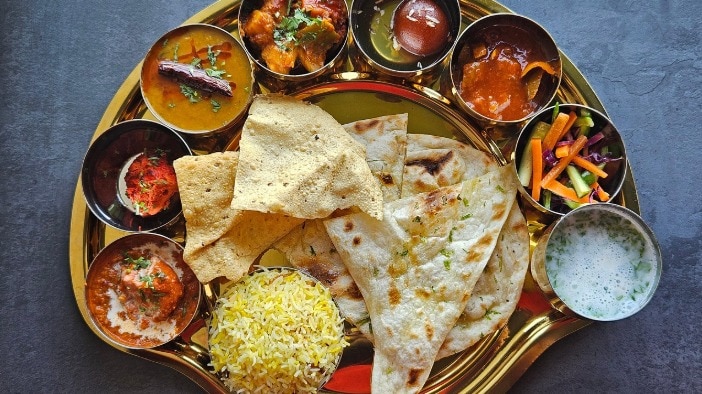
Mohammed Rehan Sayeed, Cardiothoracic Surgeon at Apollo Hospitals and Founder of Motherhood Group of Hospitals and WelloTree Nutrition, several festive habits can add to the strain on an already vulnerable heart.HOW YOUR FESTIVE THALI CAN AFFECT YOUR HEARTWhat you eat during the festive season matters, particularly when indulgence continues over several days. Traditional festive meals often contain generous amounts of ghee, butter and cream.
These ingredients are rich in saturated fats, which, when consumed in excess, can raise LDL cholesterol levels over time. Packaged savouries and salty snacks are another concern.
These foods can contain high amounts of sodium. Excess sodium can increase blood pressure, which is particularly important for people who already have hypertension or other heart conditions.Sweets and mithai are also common during celebrations.
Frequent consumption of sugary foods, along with oversized meal portions, can make it harder to manage body weight and blood sugar levels. This can be a concern for people living with diabetes, who need to maintain better control over their blood sugar.
The concern is not about avoiding every festive delicacy. It is about understanding how repeated indulgence, particularly over several days, can affect people who already have underlying health conditions.ALCOHOL CAN INCREASE THE STRAIN ON YOUR HEARTAlcohol consumption often increases during festive celebrations.
Parties, family gatherings and late night outings can lead to heavier drinking than usual. However, alcohol can affect the heart in several ways.It can raise blood pressure and heart rate, particularly during the hangover period.
This can be especially concerning for people whose blood pressure is already poorly controlled.Alcohol can also interact with medicines used to manage heart conditions and diabetes. When combined with blood thinners, it can increase the risk of bleeding.
For people taking diabetes medicines, drinking alcohol without eating properly can cause a dangerous drop in blood sugar.Another concern is dehydration. Alcohol makes the kidneys pass more water, which means people may lose fluids without drinking enough water to replace them.Alcohol can also affect decision making.
People may ignore warning signs, forget their medicines or dismiss chest discomfort as a temporary effect of drinking. Dr Sayeed says he has seen patients attribute chest discomfort to drinking too much and skip their evening medicines on the same night.For those who already consume alcohol, he advises keeping consumption modest, alternating every drink with a glass of water and avoiding drinking on an empty stomach.DEHYDRATION IS AN OFTEN IGNORED HEART HEALTH RISKDehydration is another concern during the festive season, particularly in warmer climates.
Spending hours cooking in a hot kitchen, travelling between gatherings and attending crowded celebrations can lead to fluid loss.Alcohol, tea and coffee can add to this loss, while salty foods can increase thirst. Despite this, people often forget to drink enough water while managing their busy festive schedules.Dehydration deserves attention, particularly among people who already have heart-related health concerns.
While it rarely causes a heart attack on its own, it can add to the strain on a heart that is already at risk.When the body loses more fluid than it takes in, the blood becomes more concentrated and thicker. Dehydration can also disturb the balance of important minerals such as potassium and sodium.
This imbalance can affect the normal rhythm of the heart.For people with existing heart conditions, maintaining hydration and following their regular medication routine are important during celebrations.DO NOT IGNORE WARNING SIGNS DURING FESTIVITIESFestive celebrations should not become a reason to overlook symptoms that need medical attention. Chest discomfort should not automatically be dismissed as acidity, and breathlessness should not always be blamed on exhaustion after a long day.People with existing coronary artery disease, diabetes, hypertension or heart failure should be particularly careful about heavy meals, excess salt, alcohol and missed medicines.The key is to enjoy celebrations without completely abandoning everyday health routines.
Being mindful of food portions, limiting excessive drinking, drinking enough water and taking prescribed medicines on time can help reduce avoidable strain on the heart.A few festive indulgences may be part of the celebrations, but ignoring existing health conditions and warning signs can have serious consequences.- Ends