


The government has consolidated India's visa regime and sharply shortened application forms. The overhaul aims to ease legitimate travel while improving clarity and processing efficiency.Foreign students enrolled in Indian educational institutions through the Study in India portal may receive an e-S1 visa for up to five years or for the duration of their academic course, whichever is shorter, with multiple entries.
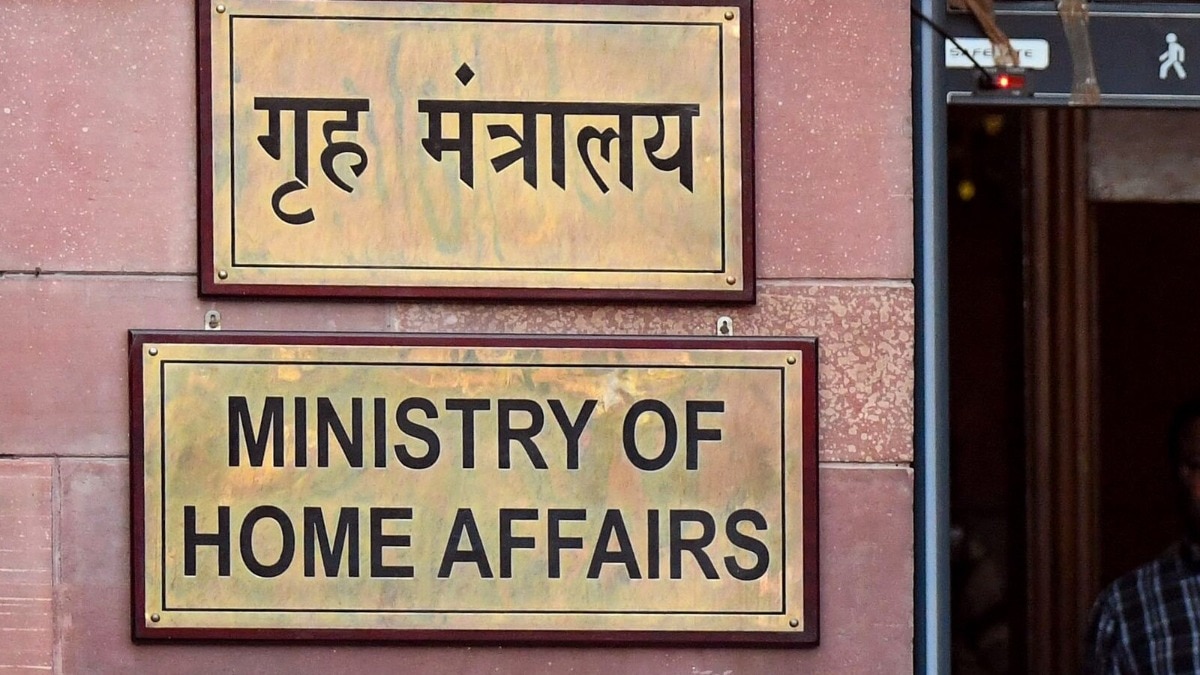
The government has simplified India's visa system by reducing the number of main categories from 13 to nine and sub-categories from 49 to 23, officials told news agency Press Trust of India. The number of fields in visa application forms has also been cut by 65-70 per cent.The changes are intended to make the visa system "more compact, coherent and responsive to the requirements of foreign nationals visiting India", the Ministry of Home Affairs said in a statement.The ministry reduced the number of main visa categories from 13 to nine and sub-categories from 49 to 23 on August 27.
This followed an earlier exercise in October 2025, when the number of main categories was cut from 22 to 13 and sub-categories from 63 to 49."While considering the simplification of the Indian visa regime, the government studied the visa systems of developed countries and global standards," the ministry said. It added that combining similar purposes of travel would provide greater clarity, make it easier to identify the appropriate category and facilitate legitimate foreign arrivals.
E-visas are currently processed under 13 sub-categories and are available to nationals of 172 countries, according to the statement.The former Tourist Visa has been renamed Visitor Visa to cover a wider range of purposes beyond conventional tourism. It has been divided into the V-1 and V-2 sub-categories.
The V-1 visa covers short-term activities such as business meetings, medical consultations, wellness retreats, short-duration medical treatment and short courses in Indian languages, music, art and craft. It will be granted for 30 days with multiple entries.The V-2 visa is meant for longer visits and will be valid for one, five or 10 years, as specified.
It covers activities permitted under V-1 as well as mountaineering. Those travelling for mountaineering will receive a six-month visa with multiple entries.The Medical Visa framework retains separate provisions for treatment under conventional and AYUSH systems.
The M-1 visa covers medical treatment other than AYUSH treatment, while the M-3 visa is for treatment under AYUSH systems. Both visas, including their e-visa versions, will by default be granted for one year with multiple entries.Medical attendant visas will also be available.
M-2 visas will be issued to attendants of M-1 visa holders, while M-4 visas will be issued to attendants of M-3 visa holders.The arrangement will provide greater predictability to patients whose treatment requires multiple consultations, follow-up appointments or procedures in stages, the ministry told PTI. "Multiple-entry validity can reduce the need for repeated visa applications during a course of care, while the distinct AYUSH provision helps applicants identify the appropriate treatment route," it said. The availability of attendant visas will also help people accompanying patients and encourage medical value tourism in India, the statement added.The Student Visa category has been consolidated into two broad sub-categories.
The S-1 visa covers school, graduate and postgraduate education. The S-2 visa covers PhD and research scholars at Indian universities, visiting faculty, foreign research students coming to India for research, scientific and anthropological expeditions, internships, exchange programmes and other specified academic activities.Foreign students enrolled in Indian educational institutions through the Study in India portal may receive an e-S1 visa for up to five years or for the duration of their academic course, whichever is shorter, with multiple entries.The Business Visa category has been divided into B-1 and B-2.
The B-1 visa covers long-term business activities requiring licences, including foreign nationals seeking to establish industrial or business ventures in India. The B-2 visa covers short-term, contract-based business activities, including production investment, conferences, sports, performing arts and films.A separate provision has been made for foreign specialists, engineers and technical personnel hired by Indian companies.
It covers work such as installation and commissioning, quality checks, essential maintenance, production, information technology and enterprise resource planning expansion, training, supply-chain development, plant design and commissioning, senior management and technical support, including the transfer of expertise, technology and services.Such professionals may be granted a Production Investment Business Visa under the B-2 category through the e-visa platform. This was earlier issued under the e-B4 visa category, the ministry said.The ministry has also simplified visa application forms across all 23 categories and sub-categories. "The required fields/columns for all 23 categories/sub-categories of visas have been reduced by 65-70 per cent," the statement said.The exercise is aimed at reducing the information sought from foreign nationals while retaining the essential details needed to process applications. "This will reduce time and effort required to complete an application and enhance administrative efficiency by facilitating more focused scrutiny and processing of visa application," the ministry said.The ministry is updating its information technology systems to implement the changes, and visas under the revised framework will be issued by the end of the year.The nine main categories under the revised framework are Business, Diplomatic, Work, Journalist, Medical, Official, Student, Visitor and Miscellaneous visas.
The Miscellaneous Visa covers persons of Indian origin and their spouses and children, people joining specified institutions such as the Auroville Foundation, dependants of foreign nationals holding long-duration visas, stay visas for Afghan nationals, long-term visas for certain categories of nationals from neighbouring countries and purposes not covered by another category.- Ends