


That is nearly eight full nights of sleep, assuming eight hours a night, and about three hours more than the annual average recorded between 1986 and 2005.The findings are particularly concerning for people living in poorly ventilated homes without air-conditioning. While temperatures usually fall after sunset, concrete buildings and roads retain heat accumulated during the day, keeping many urban neighbourhoods uncomfortably warm well into the night.The human body needs to cool down to sleep properly.
When surrounding temperatures remain high, falling asleep becomes harder, sleep can become fragmented and the body gets less opportunity to recover. Repeated sleep disruption can affect concentration, mood and metabolic health.
Persistent heat exposure also places additional strain on the cardiovascular system, particularly among older people and those with existing heart conditions. The report's findings are based on statistical estimates rather than direct monitoring of every Indian household.
Its sleep calculations draw on international research using billions of observations from wearable fitness devices, combined with temperature data. Researchers acknowledge that people who own such devices tend to be relatively affluent, potentially underestimating the burden among poorer households.Lost sleep is only a part of India's growing heat burden.
The report found that between 2016 and 2025, Indians experienced an average of 10.6 heatwave days annually, half of which were attributable to human-driven climate change. In other words, without climate change, the population would have experienced roughly half as many heatwave days.Heat is also taking a considerable toll on livelihoods.
India lost an estimated 193 billion potential working hours annually between 2016 and 2025 because temperatures made physical labour more difficult or unsafe. That represents a 75 per cent increase over the annual average in the 1990s.The economic consequences are substantial.
In 2025 alone, the potential earnings lost because of heat-related reductions in working capacity were equivalent to 4.2 per cent of India's GDP, compared with 0.91 per cent globally. These are modelled estimates of potential losses not wages directly measured as missing from workers' pay packets.The health risks extend beyond heat exhaustion and sleeplessness.
The report found that climatic conditions suitable for dengue transmission through the Aedes albopictus mosquito had increased by 84 per cent compared with the 1950s. The number of months suitable for malaria transmission has also increased, potentially lengthening the period during which infections can spread.For India, the findings point to a growing public-health challenge that cannot be addressed through heatwave warnings alone.
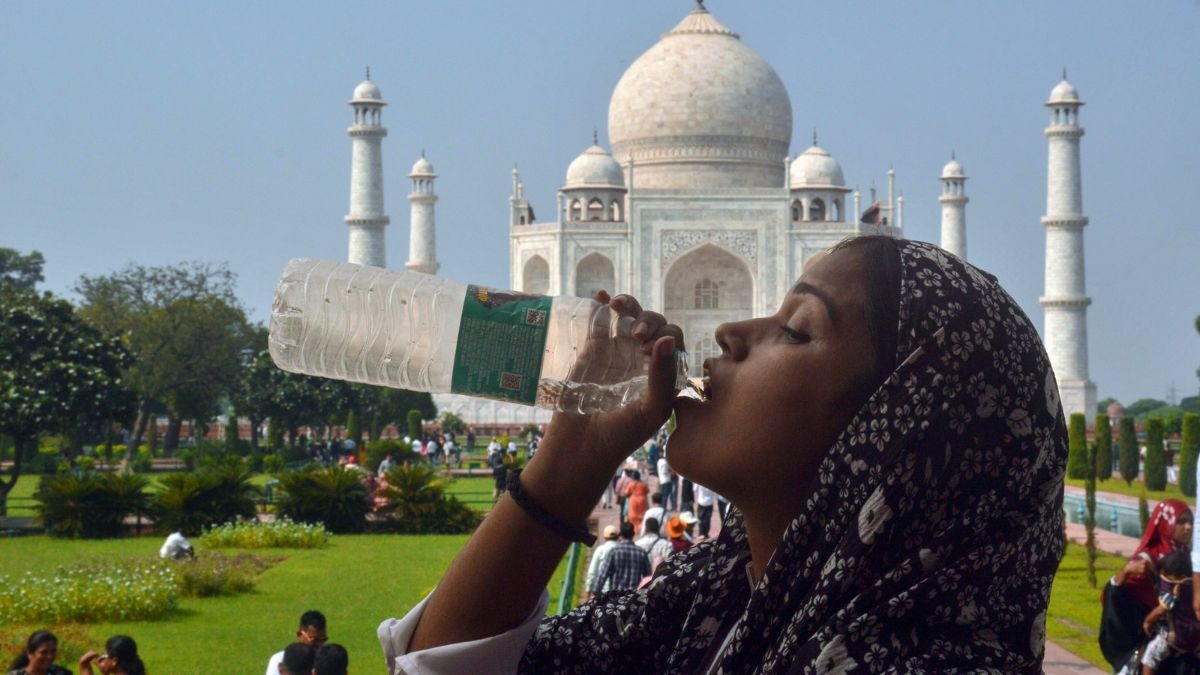
Better housing, cooler urban spaces, access to drinking water and protection for outdoor workers may become increasingly important as warmer days are followed by nights that offer little relief.Subscribe to India Today Magazine- Ends