


2026 could go down as one of the hottest years ever recorded, extending an alarming run of global warming that has lasted more than a decade.The warning comes from the United Nations (UN) as world leaders gather in Antalya, Turkiye, for the COP31 climate summit, where rising temperatures and increasingly extreme weather are expected to feature prominently in discussions. A satellite image shows the warming oceans as a result of a developing El Nino.
In its latest State of the Climate Update 2026, released on November 9, the World Meteorological Organisation (WMO) said the past 12 years, from 2015 to 2026, are on track to become the warmest 12-year period in recorded history.Furthermore, the past four years, including 2026, are also expected to occupy the top four positions in global temperature records. Between January and September this year, the global average temperature was approximately 1.47°C above the pre-industrial average, measured between 1850 and 1900.
A sign says COP31 during the ongoing annual UN climate talks in Antalye, Turkiye. Â WHY IS 2026 GETTING HOTTER?The sustained rise in temperatures is primarily driven by human activities, particularly the burning of coal, oil and gas, which release greenhouse gases that trap heat in the atmosphere.
However, a developing El Nino is adding to the warming. A graph showing the rising sea surface temperature due to El Nino.
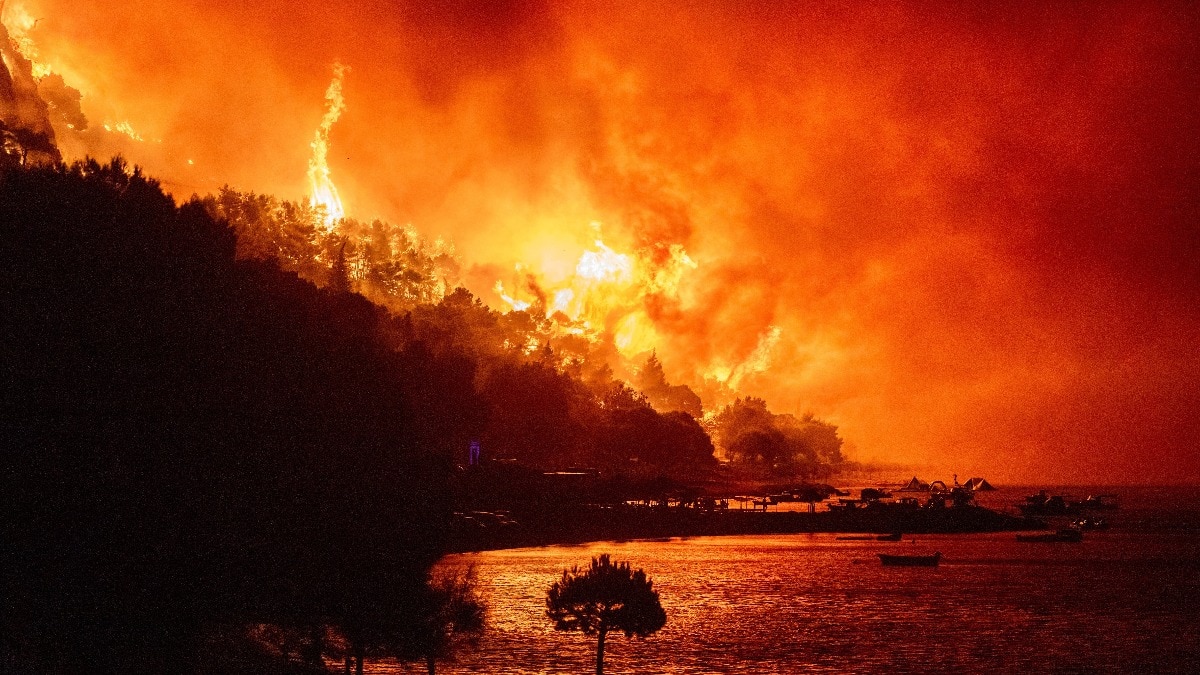
El Nino is a natural climate phenomenon that occurs when parts of the Pacific Ocean become unusually warm, releasing additional heat into the atmosphere and influencing weather patterns worldwide.The WMO said El Nino has intensified since August and could reach exceptional strength by December, with its effects expected to continue into early 2027, potentially pushing temperatures even higher next year.The four warmest years on record are now expected to be 2023, 2024, 2025 and 2026, with 2024 retaining the top position – for now. A firefighter and a local resident try to put out a forest fire in Spain.
WHAT DOES THIS WARMING TREND SPELL FOR EARTH?The warming is not limited to rising air temperatures.The WMO found that ocean heat reached a record for the 10th consecutive year, while global sea levels also climbed to their highest point since satellite measurements began in 1993.Warmer oceans expand as they absorb heat, while melting glaciers and ice sheets add more water to the seas. This increases the risk of coastal flooding and threatens communities living along vulnerable shorelines.
This combination of photos show the melting ice at the St. Vrain Glacier in Colombia.
Rising temperatures are also making heatwaves, droughts and heavy rainfall more dangerous, affecting food supplies, water availability and human health.Releasing the report as COP31 opened, WMO Secretary-General Celeste Saulo warned that the world was entering an increasingly dangerous period of climate extremes.UN Secretary-General Antonio Guterres called on governments to accelerate cuts in greenhouse gas emissions, move away from fossil fuels and provide greater financial support to countries most vulnerable to climate change. UN Secretary-General Antonio Guterres speaks at UN headquarters.
The warning has been sounded as countries face growing pressure to turn climate commitments into action.With temperatures continuing to rise and El Nino adding to the heat, the coming months could bring further challenges for an already warming planet.- Ends