


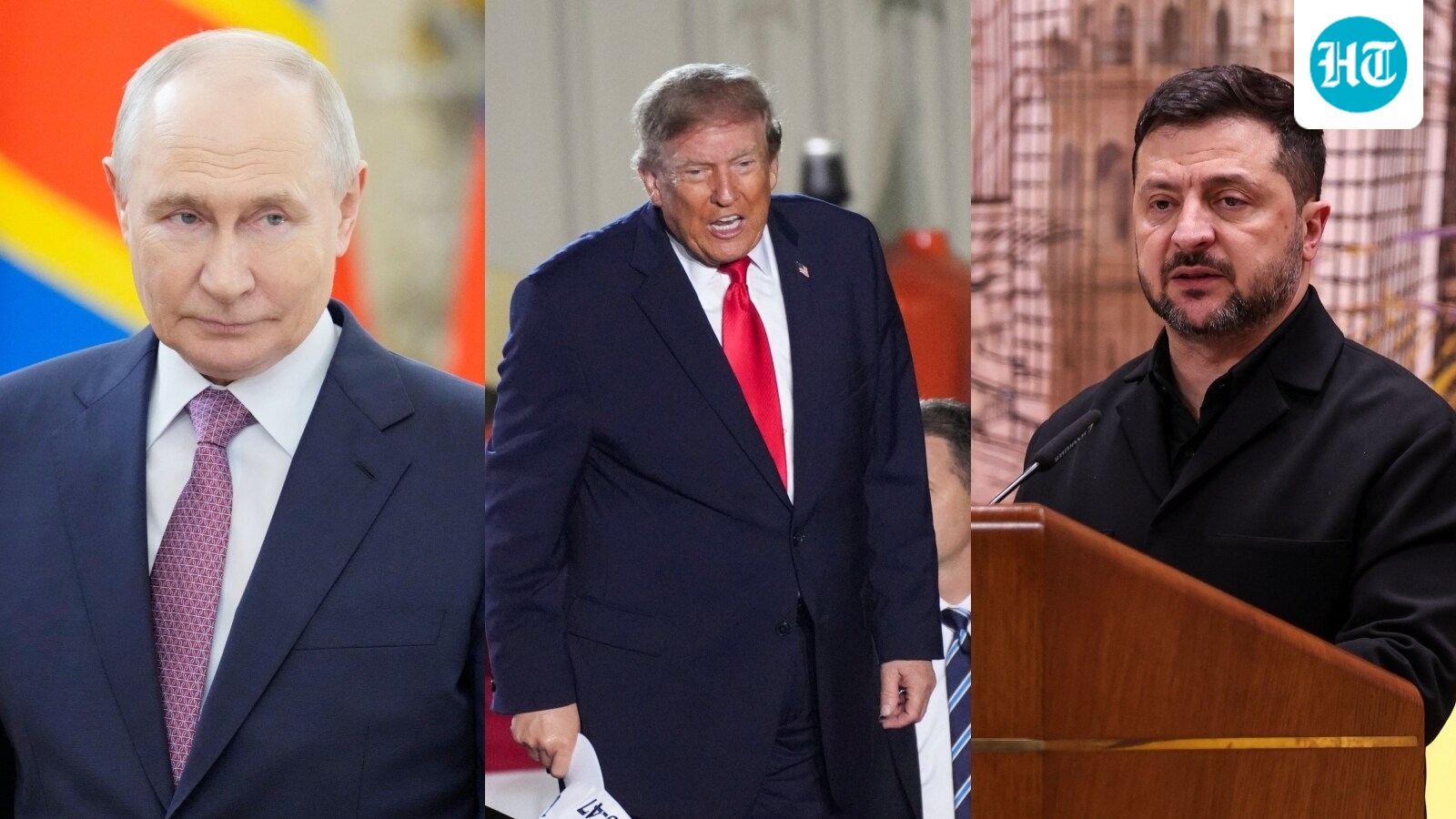
In a push to achieve an energy ceasefire between Russia and Ukraine, the Donald Trump-led US administration is now reportedly working to restart the sale of Russian natural gas to Europe via Ukrainian pipelines.US negotiators are of the view that such a comeback of Russian energy sales would create an incentive for Russian President Vladimir Putin to accept. (Reuters/AFP)This comes against the backdrop of escalating tensions between Russia and Ukraine as the two pound their energy targets and other areas.The plan, ideated by US envoys Jared Kushner and Steve Witkoff, would involve selling Russian gas through a US intermediary to bypass European sanctions, the Wall Street Journal reported on Monday, citing people who attended the discussions.According to the current European Union legislation, all Russian natural gas purchases must be stopped by the end of 2027. European leaders have reportedly said they don't want to restore their dependency on energy supplies from a country they consider their top strategic threat.However, the plan was parked last month after Ukraine stopped targeting Russian refineries under pressure from US President Donald Trump -- a halt that lasted for almost two weeks even as Russia continued to hit Ukrainian energy infrastructure and began shipping diesel to the United States.ALSO READ | Fake nuclear, chemical threat alerts flash as Russia, Ukraine report cyberattacks on emergency appsAs a result, the Trump administration saw an opportunity for a better peace plan.
However, Ukraine resumed its strikes on Friday, hitting three key Russian refineries over the past three days. This has put a more urgent focus on the need for a comprehensive energy peace plan ahead of a possible trilateral meeting between the US, Russia and Ukraine in mid-November in the United Arab Emirates.US negotiators are of the view that such a comeback of Russian energy sales would create an incentive for Russian President Vladimir Putin to accept.US sanctions and Trump's first term movesHowever, the move seems at odds with the Trump administration's Lindsey O.
Graham Sanctioning Russia and Iran Act of 2026, which grants the President the power to impose up to 100 per cent tariffs on imports from the top five purchasers of Russian oil and gas.While the US is trying to push Russian natural gas sales to Europe, White House officials have proposed that Russia deposit the proceeds from these sales into an escrow account in a third country so that the funds aren't used by the Kremlin to finance the war in Ukraine, WSJ reported.US officials have tried to convince European leaders of this push as a way to reduce energy prices ahead of a winter when Europe's gas reserves have hit their lowest level in many years.ALSO READ | Zelensky says will stop hitting Russia refineries if US provides missilesThe Trump administration's push is a reversal of the President's moves in his first term. At the time, Trump had slammed the then-German Chancellor Angela Merkel for building the Nord Stream 2 pipeline from Russia, warning that it would make Germany "captive to Russia." In late 2019, Trump imposed sanctions on it.Over two years later, Russia invaded Ukraine and bet that Europe wouldn't bother due to its heavy dependency on Moscow,EU's stance on resuming Russian energy purchaseHowever, the Europeans saw their dependence on Russian natural gas as a risk, given the invasion of Ukraine.
Later, it passed legislation to curb Russian gas imports and to eliminate them entirely by the end of next year.At present, the EU remains firm on its stance that it won't resume Russian energy purchases even after a full peace agreement is reached with Russia.In an October interview with a Hungarian newspaper, the office of EU energy commissioner Dan Jorgensen reportedly confirmed that the ban on Russian gas imports should be permanent. "I certainly would not trust Russia. Even if there were peace tomorrow, which we all hope for," he stated.A senior Nordic official also said that the idea of resuming energy purchases from Russia runs counter to everything Europeans stand for.ALSO READ | Trump says Zelensky ‘does not want war to end’ as feud escalates, defends Russia sanctions waiverEarlier this year, the chiefs of five European spy agencies had told Reuters that Russia wasn't looking to end the war quickly, adding that it was instead using US talks to press for business deals.Some German lawmakers have reportedly said that business deals would strengthen Russia as it continues to pursue the war with Ukraine. "This threatens to be a dirty deal that will cost Europe dearly," said Michael Kellner, a lawmaker in charge of German energy policy in the aftermath of Ukraine's invasion.
He added, "Americans and Russians will share the profits."Additionally, Poland's political leadership was reportedly watching the discussions on reopening the pipeline but is opposed to the proposal, Reuters reported, citing a person with knowledge of the government's thinking.The Trump administration, however, hopes that European resistance will be lighter than it seems. For its part, the US sees the reopening of Nord Stream as a key component of a peace deal, not just to end the war but to relieve Russia's longstanding friction with America's EU allies.Is the US's push possible?In justifying Trump's anger at Angela Merkel over the pipeline during his first term, a senior US official, as cited by WSJ, said that the then-German Chancellor's mistake was pursuing the move without first working out a broader security arrangement with Russia that Russia would also feel safe and comfortable with.The first Nord Stream was built by Russia and Germany in 2011 to bypass the lines running through Ukraine.
Nord Stream 1 and 2, meanwhile, were reportedly severely damaged due to underwater explosions in 2022. Hence, restarting them would take a substantial amount of time.A US official has, however, said that Europeans are interested in a proposal to significantly lower gas prices across the continent, with any economic agreement included in a comprehensive peace deal.ALSO READ | Russia opens terrorism case over Ukrainian attack on industrial facility near MoscowToday, only 11 per cent of Europe's natural gas comes from Russia, a massive drop from the 45 per cent before the war.Earlier last month, a Reuters report stated that Kushner views business as a key to restoring peace in the region.A White House official had said that any deals regarding the resumption of Russian energy sales to the EU "will have to be negotiated by Russia with DFC (US International Development Finance Corporation) and Treasury and must benefit United States taxpayers and companies."So far, it remains unclear as to how such a restoration of sales could take place.
A US official, cited by Reuters, had said that a deal was unlikely in the medium term.Trump could either waive US sanctions or soften the stance to make the deal happen. However, if Democrats win control of Congress in the midterms, this would become a difficult task.