


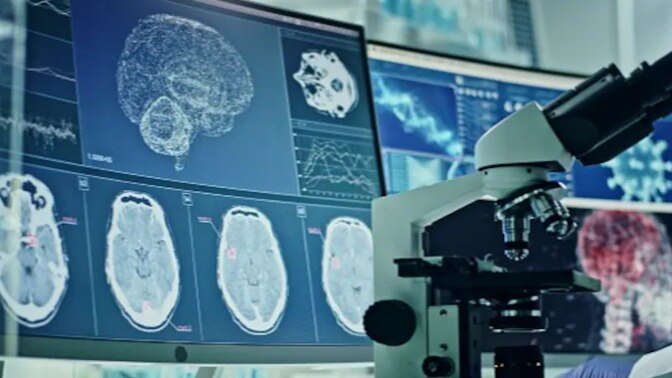
Scientists have mapped 21 million cells to create a detailed atlas of the human basal ganglia. The cross-species resource could deepen understanding of brain disorders, though potential treatments remain years away.The petitioner reported that the man owns two properties and other assets but is unable to manage them due to his worsening mental health. (File photo) Scientists have created a detailed cellular atlas of the human brain's basal ganglia, a crucial region involved in movement, decision-making, emotions and habit formation.The breakthrough could help researchers understand several neurological and psychiatric disorders, including Parkinson's disease, Huntington's disease, schizophrenia and bipolar disorder, and potentially develop more targeted treatments.The researchers mapped different cell types and their genetic activity across the basal ganglia in humans, mice and two species of monkeys — macaques and marmosets.
The work, presented across more than two dozen studies published in the journal Cell and related publications, provides the first comprehensive cross-species cellular roadmap of this brain region.The research was conducted under the US BRAIN Initiative, launched in 2014 to advance understanding of the human brain with support from the National Institutes of Health. The basal ganglia are a collection of interconnected structures located deep inside the brain.
These include the striatum, globus pallidus and substantia nigra. Together, they help the brain select and initiate movements while also regulating reward learning, motivation, emotions and repetitive behaviours.Dysfunction in these structures has been associated with several conditions, including Parkinson's disease, Huntington's disease, Tourette's syndrome, obsessive-compulsive disorder, schizophrenia, bipolar disorder and addiction.
A cellular map to understand brain disordersThe atlas brings together multiple layers of biological information. Researchers identified which genes are switched on in individual cells, examined epigenetic changes that regulate gene activity and mapped the precise locations of different cell types within brain tissue.This is particularly important because many genetic variations associated with brain disorders occur outside protein-coding regions of DNA.
Instead, they lie in regulatory DNA sequences that act like switches, determining when and where genes become active.By identifying the specific cells in which these switches operate, scientists can better understand how genetic variations contribute to disease.The researchers also identified a previously unrecognised brain cell type associated with schizophrenia and bipolar disorder, alongside genetic changes in specific cell populations potentially linked to autism and age-related changes in gene activity.Towards more targeted treatmentsThe atlas could become an important reference for studying diseases at the cellular level. Scientists can now investigate which specific brain cells activate disease-associated genes and identify potential targets for gene therapy and gene editing.It could also help researchers compare healthy brain tissue with diseased tissue to understand how cellular functions change during illness.However, treatments emerging from this research are still years away.
Scientists say the atlas is a major step towards building a comprehensive map of the entire human brain, a project targeted for completion around 2028.- Ends