


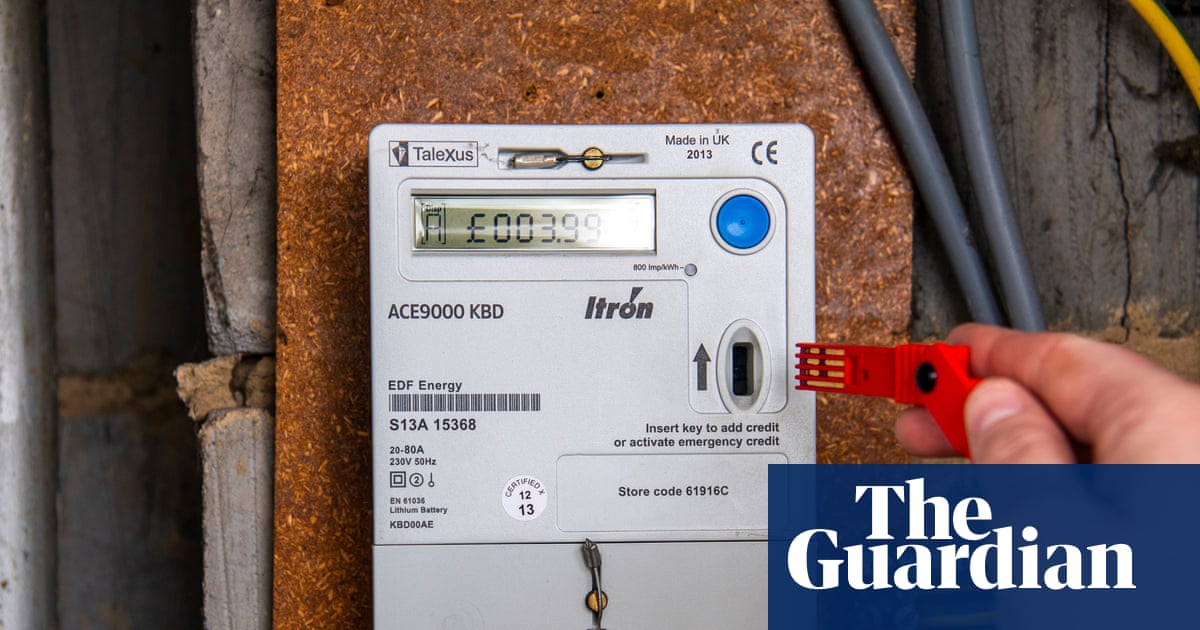
British Gas has resumed force-fitting prepayment meters in the homes of people who cannot afford their energy bills just months after paying the largest settlement on record for sending debt collectors into the homes of vulnerable customers.The industry regulator has lifted an almost four-year block that prevented British Gas from clawing back unpaid bills by fitting prepay meters in customers’ homes after extracting a settlement worth more than £100m from the supplier for its role in the prepay meter scandal at the height of the Russian gas crisis.The decision means that British Gas agents will be able to force-fit prepay meters in homes from this winter as households brace for some of the highest energy bills since 2023, when the supplier first came under fire over its treatment of vulnerable customers.At the time, debt agents working for British Gas had ignored signs of vulnerability in struggling households while fitting meters in the homes of customers, according to an investigation by the Times, including those with severe mental health issues and physical disabilities.The scandal ignited outrage among fuel poverty campaigners and across Whitehall as the government spent billions to help cut bills for energy users and prevent a collapse of the supplier industry.Within a year of the scandal, the regulator lifted its industry-wide moratorium on force-fitting meters to allow a string of suppliers to restart the installations, although forced fittings in homes with young children or people over the age of 75 remains banned.The regulator said that installing a prepayment meter under a warrant “should only be a last resort, with rigorous checks to ensure debt is recovered lawfully, proportionately and safely”.It added that smart pay-as-you-go meters “are a positive choice for many customers, helping them stay in control of their energy use and reporting high levels of satisfaction”.Campaigners have warned that the timing of the change is likely to compound the fear of falling behind on energy bills this winter, and will add to the stress faced by households.Simon Francis, a coordinator of the End Fuel Poverty Coalition, said: “It’s almost as if regulators and ministers are failing to remember the lessons of the last energy price spike.“While more protections are now in place than in 2022, we know that magistrates are still approving bulk batches of applications for forced prepayment meter installs and some of the system failures identified in the original investigations are still happening.”British Gas defended its plan to claw back unpaid bills as household energy debt is forecast to exceed £7bn, adding more than around £80 to the average household energy bill.skip past newsletter promotionafter newsletter promotion“Our industry needs to protect and support customers who genuinely cannot afford to pay while taking appropriate action where people are able to pay but do not engage. We know many households are struggling with energy costs, and we offer significant support to those who need it most,” the supplier said.It said it plans to “engage early, offer targeted support and agree flexible, affordable repayment options” to struggling customers “wherever possible”.
It added that involuntary prepayment meter fittings would “remain a last resort, with robust vulnerability and affordability checks”.Under Ofgem’s rules, all suppliers must make at least 10 attempts to contact a customer before a prepayment meter is installed and carry out a welfare visit before installation. Meters should never be fitted in the homes of the highest risk customers, which include households with people over the age 75, under the age of 2, or those with severe health issues or medical equipment.A government spokesperson said: “This is a regulatory decision by Ofgem.
We cannot allow past rogue practices to be repeated, where prepayment meters were wrongly installed in the homes of vulnerable people. We are closely watching to make sure companies protect their customers and act within Ofgem’s rules.”An Ofgem spokesperson said the regulator would continue to closely monitor suppliers and will “take action if we identify instances where our rules are not being followed”.