


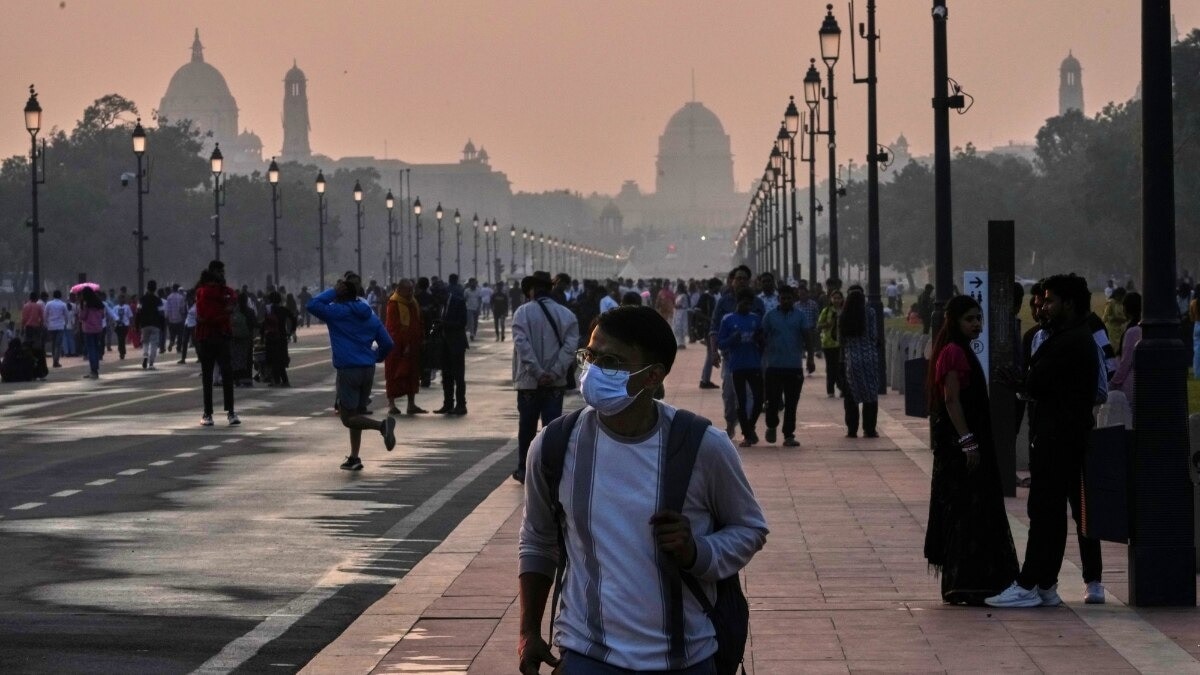
When air quality levels cross the 500 mark, stepping outside can mean exposing your body to extremely high concentrations of harmful pollutants. From commuters travelling to work and children going to school to people waiting at traffic signals, several hours of exposure to polluted air can affect the body in ways that may not be immediately visible.While wearing a mask, limiting outdoor activities and using an air purifier indoors can help reduce further exposure, the effects of pollution do not necessarily disappear once you return home.
Even after breathing cleaner indoor air, your body may continue responding to pollutants that have already entered your system.This is particularly concerning when pollution levels remain severe for several consecutive days, as people may experience repeated exposure before their bodies have recovered from the previous one.According to Dr Chandrakant Lahariya, Senior Consultant Physician, Internal Medicine, Pacific OneHealth Hospital, New Delhi, the biological effects of air pollution can continue for up to 24 hours after exposure, even when a person has moved indoors. WHAT HAPPENS 6 HOURS AFTER EXPOSUREThe first few hours after exposure can be particularly important for the body's cardiovascular system.According to Dr Lahariya, exposure to fine particulate matter (PM2.5) can disrupt heart rate regulation and affect the functioning of blood vessels within six hours.
PM2.5 refers to extremely small particles that can travel deep into the lungs when inhaled. These particles are particularly harmful because of their ability to penetrate the respiratory system and trigger biological responses.When these particles enter the body, they can contribute to oxidative stress and inflammation.
They may also affect the blood vessels, making it harder for them to function normally.This means that even if someone returns home after spending several hours outdoors, their body may still be dealing with the effects of pollution.WHAT HAPPENS 12 HOURS AFTER EXPOSUREBy the 12-hour mark, the immediate exposure may have stopped, but the body's response to pollution can continue.Dr Lahariya explains that inflammatory and cardiovascular responses may persist even without further exposure to polluted air.Inflammation is the body's natural response to harmful substances. However, when this response continues, it can affect different organs and systems.The cardiovascular system is particularly vulnerable because inflammation and changes in blood vessel function can interfere with normal circulation.This is one reason why simply spending the rest of the day indoors may not immediately reverse the effects of breathing polluted air.WHAT HAPPENS 24 HOURS AFTER EXPOSUREThe effects can remain detectable even a full day after exposure.Dr Lahariya points to a controlled study published in the American Journal of Respiratory and Critical Care Medicine in 2007.
The study found elevated inflammatory markers and impaired blood vessel function 24 hours after participants were exposed to diesel exhaust for just one hour.This suggests that the body's response to air pollution can continue long after the actual exposure has ended.Dr Lahariya explains that vascular dysfunction and systemic inflammation may remain detectable at this stage.Systemic inflammation refers to an inflammatory response that affects the body beyond one particular organ. Such responses are important because prolonged inflammation can contribute to wider health problems.DOES STAYING INDOORS HELPYes.
Moving indoors and reducing contact with polluted air remains important.Cleaner indoor air can help prevent additional exposure and give the body an opportunity to recover. Using an air purifier with a HEPA filter, keeping windows closed when outdoor pollution is high and avoiding activities that increase indoor pollution can help improve indoor air quality.However, as Dr Lahariya explains, cleaner indoor air cannot immediately reverse the biological changes that have already been triggered.The important thing to understand is that the impact of severe air pollution is not limited to the time a person spends outdoors.
Even after returning home, the body may continue dealing with inflammation and changes in cardiovascular function.When AQI levels remain dangerously high, reducing exposure as much as possible is essential, rather than assuming that spending a few hours indoors is enough to undo the damage.- Ends