


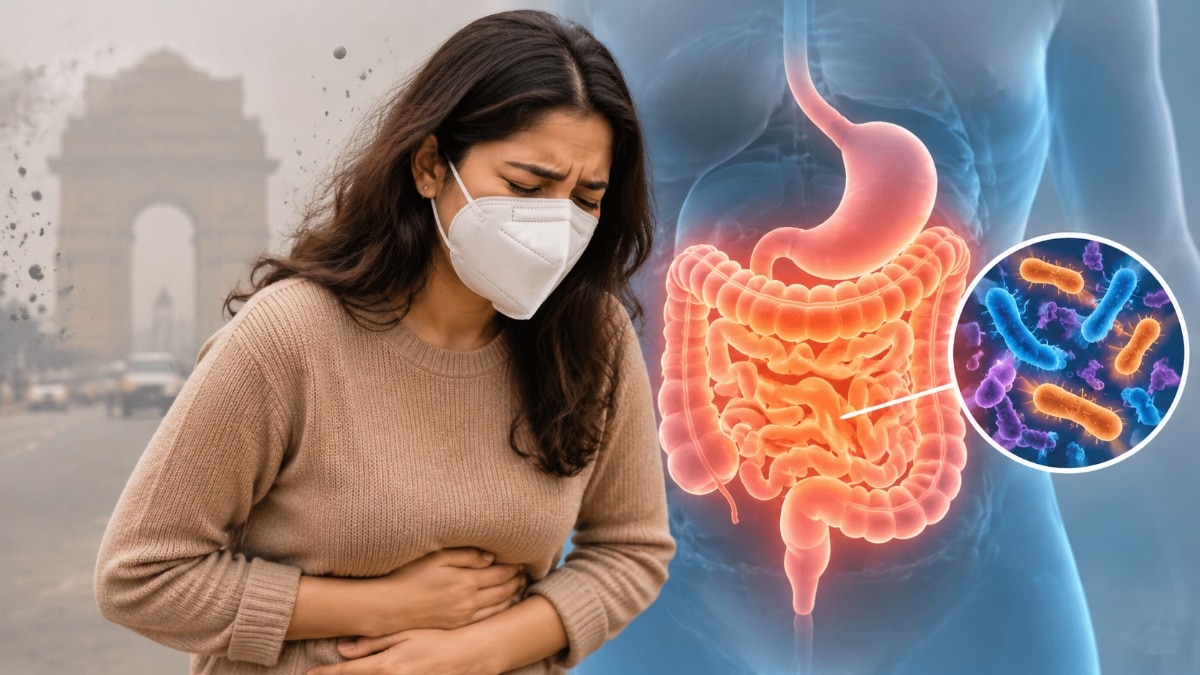
Air pollution is usually associated with respiratory problems, coughing and breathlessness. However, its impact may extend beyond the lungs.
Prolonged exposure to polluted air, particularly fine particulate matter (PM2.5), may also affect the digestive system by triggering inflammation, oxidative stress and changes in the gut microbiome.As air quality continues to deteriorate across Delhi-NCR, concerns about the wider health effects of pollution are growing. According to Dr Ayush Dhingra, Chairman – Gastroenterology, Manipal Hospital, Gurugram, exposure to PM2.5 can trigger oxidative stress and inflammation in the body, potentially affecting gut health, digestion and intestinal function.Dr Sunny Singh (B.H.M.S.), Director of Dr Sunny's Homeo Centre, Kanpur, also explains that prolonged exposure to air pollution may influence the balance of gut bacteria and affect the intestinal lining.HOW DOES AIR POLLUTION REACH THE GUT?While polluted air primarily enters the body through the respiratory tract, some inhaled particles may eventually be swallowed and enter the digestive system.
In addition, pollutants may influence the gut through inflammatory and immune pathways. These particles and associated inflammatory responses may interact with the intestinal lining and influence processes involved in digestion and gut health.Dr Dhingra explains that air pollutants can potentially disturb the balance of beneficial and harmful bacteria in the gut.
This balance, known as the gut microbiome, plays an important role in digestion, immunity and overall health. Dr Sunny Singh adds that changes in the composition and diversity of gut bacteria may disturb the intestinal environment, potentially affecting digestive function.CAN POLLUTION CAUSE GUT INFLAMMATION AND LEAKY GUT?Prolonged exposure to air pollution may contribute to intestinal inflammation and affect the gut's protective barrier.The intestinal lining acts as a protective layer, regulating what passes from the digestive tract into the bloodstream.
When this barrier becomes compromised, intestinal permeability may increase, a phenomenon commonly referred to as 'leaky gut'.According to Dr Sunny Singh, experimental studies suggest that prolonged exposure to pollutants can increase oxidative stress, promote intestinal inflammation and affect the gut barrier.Dr Dhingra also highlights the potential impact of long-term exposure on the intestinal lining and its protective functions.However, the relationship between air pollution, intestinal permeability and digestive disorders is still being studied, particularly in humans.CAN AIR POLLUTION WORSEN IBS, IBD OR BLOATING?Air pollution may aggravate certain digestive symptoms, including bloating and abdominal discomfort. However, evidence directly linking pollution exposure to conditions such as irritable bowel syndrome (IBS), inflammatory bowel disease (IBD) and acidity is still evolving.Dr Sunny Singh explains that pollution-related changes in the gut microbiome and inflammation may potentially affect people who already have digestive disorders.Dr Dhingra's inputs also highlight the need to understand how environmental exposure may influence gastrointestinal health.People with existing digestive conditions should pay attention to persistent changes in their symptoms and seek medical advice rather than attributing them solely to pollution.HOW TO PROTECT YOUR GUT HEALTH DURING HIGH POLLUTION?While no food or supplement can completely prevent the effects of air pollution, maintaining a balanced diet and healthy lifestyle can support digestive health.Dr Sunny Singh recommends the following measures:Eat fibre-rich foods: Include whole grains, lentils, beans and vegetables to support gut healthInclude seasonal fruits: Add a variety of fruits to your daily diet for essential vitamins, minerals and fibreAdd curd to your meals: It can provide beneficial live cultures, depending on the preparationStay hydrated: Drink enough water throughout the dayLimit processed foods: Avoid excessive consumption of highly processed, fried and packaged foodsStay physically active: Exercise regularly, preferably indoors when outdoor pollution levels are highDr Dhingra also emphasises the importance of reducing exposure to polluted air, particularly during periods of high AQI.
Wearing a well-fitted N95 mask outdoors when necessary and avoiding strenuous outdoor exercise can help limit exposure.Air pollution is not just a respiratory health concern. Emerging research suggests that prolonged exposure may also influence the gut microbiome, intestinal inflammation and digestive function.A balanced diet, adequate hydration and healthy lifestyle habits can support gut health.
However, reducing exposure to polluted air remains essential, as dietary changes cannot undo the effects of toxic air.- Ends