


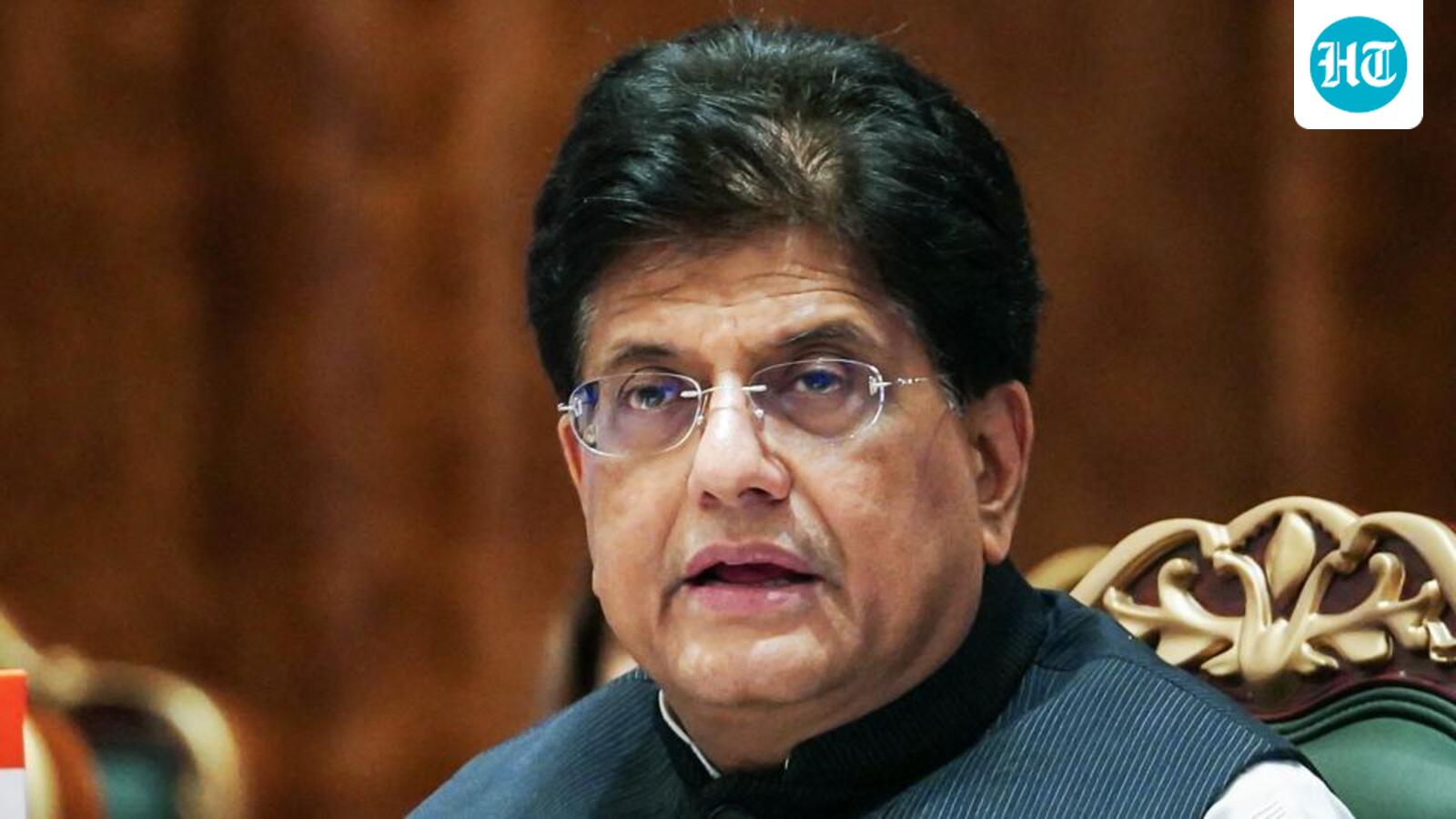
The Free Trade Agreement between India and New Zealand becomes effective on Tuesday, representing India's seventh operational trade pact over a five-year span and removing tariffs on Indian exports, according to Commerce Minister Piyush Goyal.
Speaking to a group of Indian exporters, Goyal noted that New Zealand has pledged $20 billion in foreign direct investment toward India across the next 15 years.
New Zealand Trade Minister Todd McClay, participating virtually in the operationalization event, stated that 57 percent of New Zealand exports to India will enter duty-free immediately. Current New Zealand tariffs on prominent Indian products such as ceramics, carpets, automobiles, and components reach up to 10 percent.
Commerce Secretary Rajesh Agrawal noted that the pact will assist both nations in doubling bilateral trade to ₹35,000 crore by 2030. Officials added that the agreement establishes a framework covering market access, agricultural productivity, investment, talent mobility, and collaboration across sports, tourism, and interpersonal relations.
The arrangement is also expected to enhance India's service exports, opening pathways for Indian professionals in fields such as engineering, healthcare, IT, education, construction, and traditional wellness disciplines including Ayurveda, yoga, and traditional medicine.
New Zealand businesses will benefit from manufacturing environments in India, supported by dedicated investment facilitation desks. McClay characterized the agreement as a high-quality pact that creates a level playing field amidst global economic uncertainty.
For New Zealand, the agreement eliminates tariffs on items such as timber, wool, sheep meat, and coal, while duties on New Zealand wine will decrease gradually over ten years. Additionally, preferential quota access will apply to New Zealand apples, kiwifruit, and albumins.
Goyal emphasized that domestic farmer interests and the dairy sector remained safeguarded, with sensitive agricultural products like onions, chickpeas, peas, corn, almonds, artificial honey, and sugar excluded from the agreement. Indian agriculturists may also gain technological advancements through kiwi cultivation and beekeeping practices.
Negotiations for the FTA were finalized following the signing on April 27, concluding talks that commenced in March 2025.